11 Gateway Blvd South Suite 18
Savannah, GA 31419

Blog
Benefits of Spaying or Neutering Your Dog or Cat
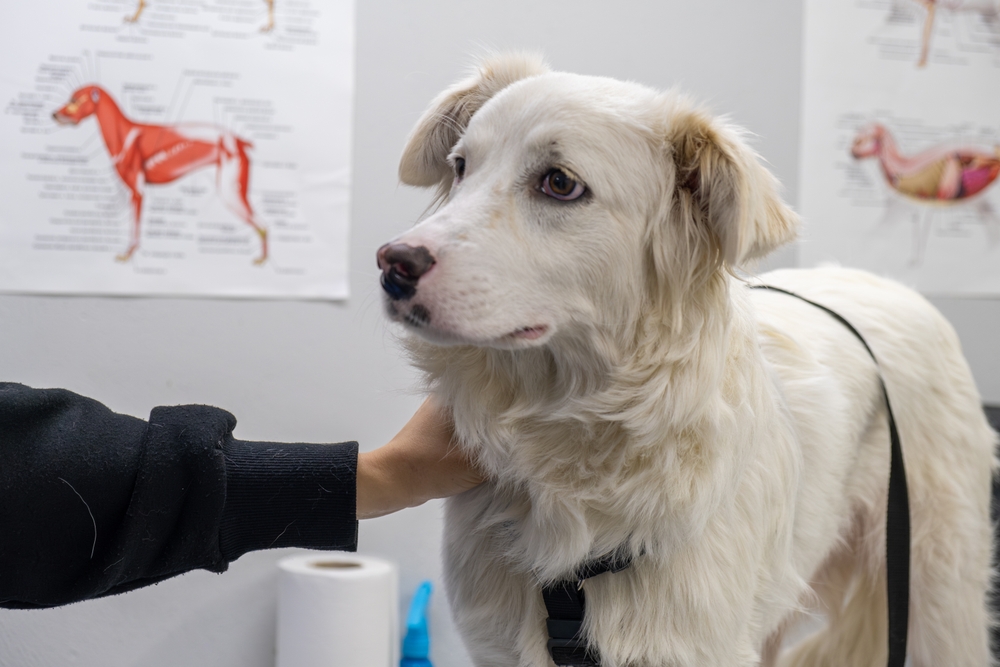
Spaying or neutering is a major decision for pet owners. It helps your pet stay healthy and well-behaved, and it also benefits your community. Here’s what you should know.
What Are Spaying and Neutering?
Spaying means removing a female pet’s ovaries and usually the uterus. Neutering means removing a male pet’s testicles. Both are common surgeries done while your pet is under anesthesia. Your veterinarian will help you choose the right time based on your pet’s breed, size, and age.
Health and Behavior Benefits for Your Pet
- Spaying Helps Females Live Longer
If you spay a female before her first heat, you nearly eliminate her chances of mammary cancer. It also prevents uterine and ovarian infections and cancers. One study found that spayed cats live about 39 percent longer than unspayed cats. Spayed dogs live about 23 percent longer than unspayed dogs.
- Neutering Prevents Testicular Cancer
Neutering eliminates the risk of testicular cancer. It also reduces prostate issues, a common problem in older unneutered dogs. It can help dogs live up to 18 percent longer.
- It Prevents Serious Infections
Unspayed female pets can get pyometra, a dangerous infection of the uterus that often needs emergency surgery. Spaying takes away this risk.
- Less Roaming and Fighting
Unneutered male pets often wander to find mates, which can lead to car accidents or fights. Neutering lowers their testosterone, so they are less likely to roam.
- Less Aggression
Neutered pets are usually calmer and less aggressive, which makes them safer to be around other animals.
- No More Marking or Spraying
Unneutered male pets often spray urine to mark their territory, and this can be difficult to clean. Neutering usually stops or reduces this behavior. Spaying can also help, since females in heat may spray.
- Less Mounting Behavior
Both male and female pets sometimes mount objects, other animals, or people. Neutering helps reduce this behavior.
- No Heat Cycles
Cats can go into heat by six months old. They become vocal, clingy, and may spray. The cycle repeats every few weeks. Dogs go into heat twice a year, with bleeding and constant urination. Spaying ends these cycles completely.
Other Important Benefits
- It Helps Solve Overpopulation
Millions of healthy cats and dogs end up in shelters each year. Many are euthanized because there are not enough homes. Dogs can reproduce about fifteen times faster than humans, and cats even faster, about forty-five times. Spaying and neutering stop unwanted litters, which helps keep shelter populations down.
- It Saves Money in the Long Run
Yes, it costs something now. But that is nothing compared to the cost of feeding and vet care for a litter. It also helps you avoid the costs of treating serious health problems like cancer, infections, or emergency surgeries. If you are worried about the cost, many shelters and clinics offer low-cost or free options.
- It Makes Your Pet a Better Neighbor
A pet that does not roam, fight, or mark territory is easier to live with and is better for your neighborhood. This helps keep things peaceful with your neighbors and prevents your pet from causing problems.
For more on the benefits of spaying and neutering, visit National Spay Alliance Savannah. Our office is in Savannah, Georgia. Call (912) 312-8846 to schedule an appointment today.
https://www.webmd.com/pets/reasons-spay-neuter-pet
https://www.mendocinocounty.gov/government/animal-care-services/spay-neuter-benefits
Quick Links

All Services
Learn More
Keep
In Touch
© 2026 National Spay Alliance Savannah. All rights Reserved - Accessibility Statement - Privacy Policy - Sitemap
Powered by