11 Gateway Blvd South Suite 18
Savannah, GA 31419

Blog
Why Is a Puppy Vaccination Schedule So Important?
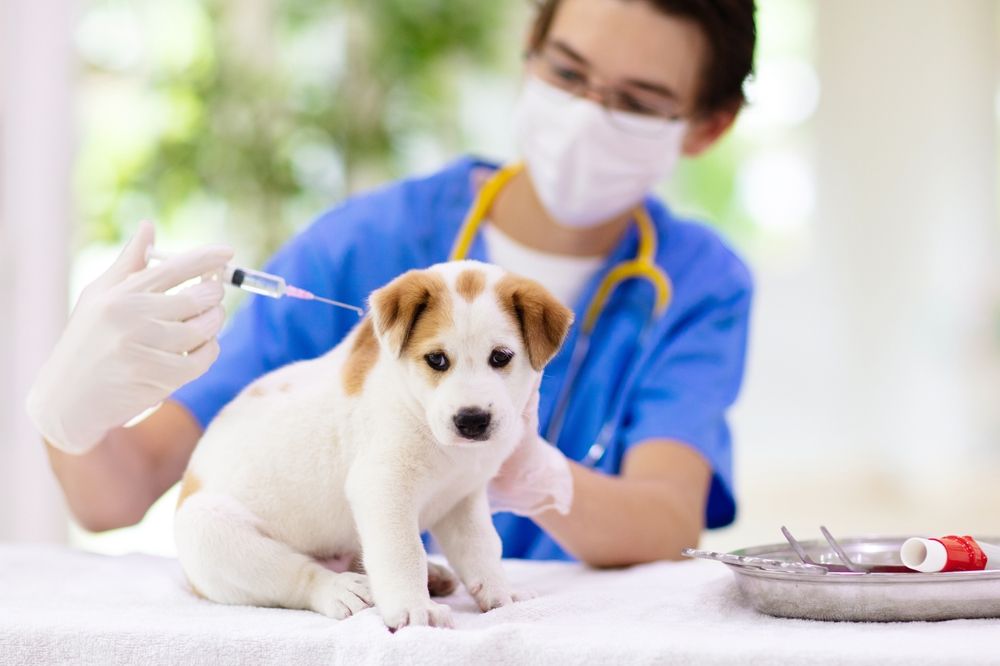
Bringing home a new puppy is an exciting milestone. Between playtime, training, and bonding, it’s easy to focus on the fun parts of pet parenthood. But one of the most important responsibilities you have in those early months is following a proper vaccination schedule.
A puppy vaccination schedule isn’t just a recommendation - it’s a critical step in protecting your puppy from serious, potentially life-threatening diseases. At National Spay Alliance Savannah, we believe preventive care lays the foundation for a long, healthy life.
Puppies Are Especially Vulnerable
Just like human babies, puppies have developing immune systems. While they do receive some temporary antibodies from their mother, that protection fades within the first few weeks of life. This leaves a window of vulnerability when puppies are highly susceptible to infectious diseases.
Without timely vaccinations, puppies are at risk for illnesses such as:
• Parvovirus
• Distemper
• Adenovirus (Hepatitis)
• Rabies
• Parainfluenza
Many of these diseases spread easily through contact with infected animals, contaminated surfaces, or even shared environments like parks or sidewalks. Some, like parvovirus, can survive in the environment for months and are extremely difficult to treat once contracted.
Why Vaccines Are Given in a Series
One of the most common questions pet owners ask is: “Why does my puppy need multiple rounds of shots?”
Puppy vaccines are administered in a series - typically starting around 6–8 weeks of age and continuing every 3–4 weeks until about 16 weeks old. This schedule ensures that vaccines are given at the right time to stimulate the immune system effectively.
Because maternal antibodies can interfere with vaccine effectiveness early on, multiple doses are necessary to ensure your puppy builds strong, lasting immunity. Skipping or delaying a booster can leave your puppy unprotected during a critical period.
Protection for Your Puppy and the Community
Vaccinations don’t just protect your individual pet - they help safeguard the broader pet community.
When more pets are vaccinated, the spread of contagious diseases is significantly reduced. This concept, often referred to as “community immunity,” is especially important in areas with high pet populations.
Rabies vaccination, in particular, is required by law in many areas because it protects both animals and humans from a fatal disease. Staying on schedule helps ensure your puppy remains compliant with local regulations and safe in public settings.
Preventing Costly Emergencies
Treating preventable diseases like parvovirus can be emotionally and financially devastating. Hospitalization, intensive care, and supportive treatments can cost thousands of dollars - and even then, survival is not guaranteed.
Vaccines, on the other hand, are a small investment compared to the cost and heartbreak of managing a severe illness. Following a proper vaccination schedule is one of the most cost-effective ways to protect your puppy’s health.
Setting the Stage for Lifelong Wellness
A structured vaccination plan is often the beginning of a long-term preventive care routine. Early veterinary visits allow professionals to:
• Monitor growth and development
• Detect potential health concerns early
• Provide parasite prevention guidance
• Offer nutrition and behavioral advice
Establishing care during puppyhood helps build a relationship with your veterinary team and reinforces healthy habits that will benefit your dog throughout their life.
Give Your Puppy the Strongest Start
A puppy vaccination schedule is not optional - it is essential. During the first few months of life, your puppy is especially vulnerable to dangerous and contagious diseases. Timely vaccinations build immunity, prevent suffering, protect the community, and support long-term health.
If you’ve recently welcomed a puppy or want to ensure your dog is up to date on vaccinations, schedule an appointment with National Spay Alliance Savannah. Visit our office in Savannah, Georgia, or call (912) 312-8846 to schedule an appointment today.
Quick Links

All Services
Learn More
Keep
In Touch
© 2026 National Spay Alliance Savannah. All rights Reserved - Accessibility Statement - Privacy Policy - Sitemap
Powered by